DETECT.
LOCALIZE.
PREVENT.

PDI is a robotic inspection solution for energized electrical facilities, built to identify partial discharge activity early and convert every finding into asset-level maintenance action.

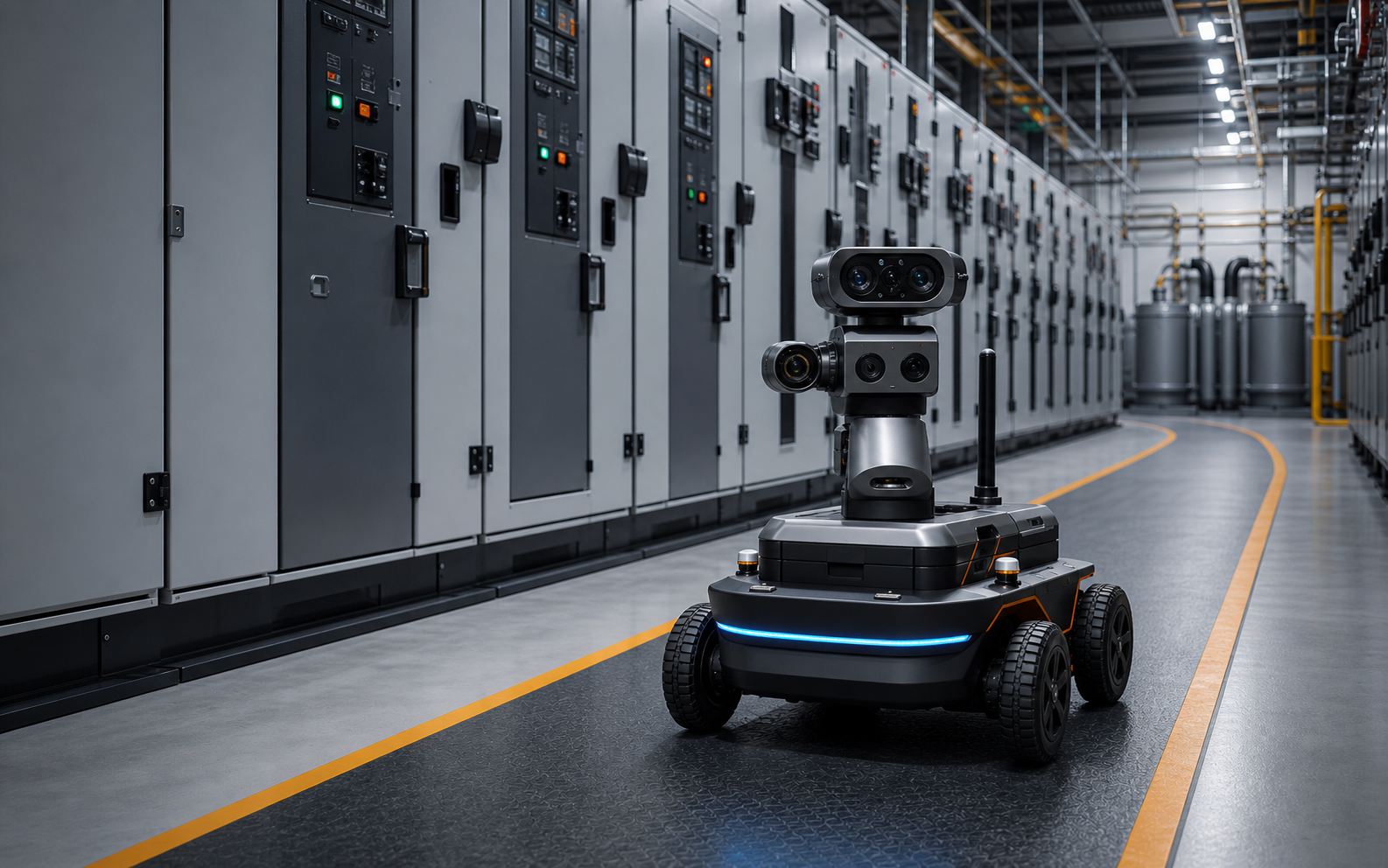
PDI robot following a predefined switchgear inspection route
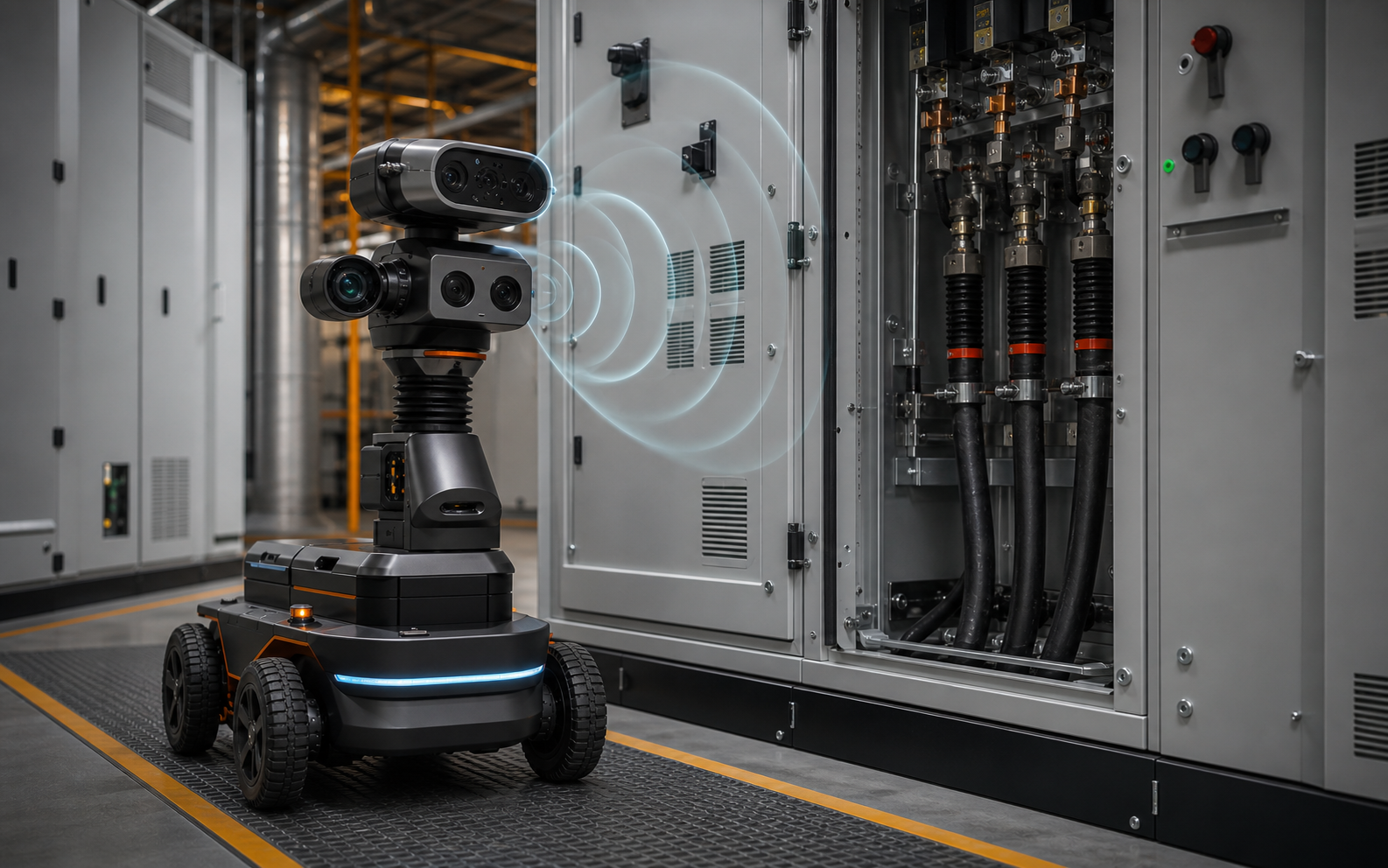
PDI robot using acoustic and ultrasonic sensing near switchgear
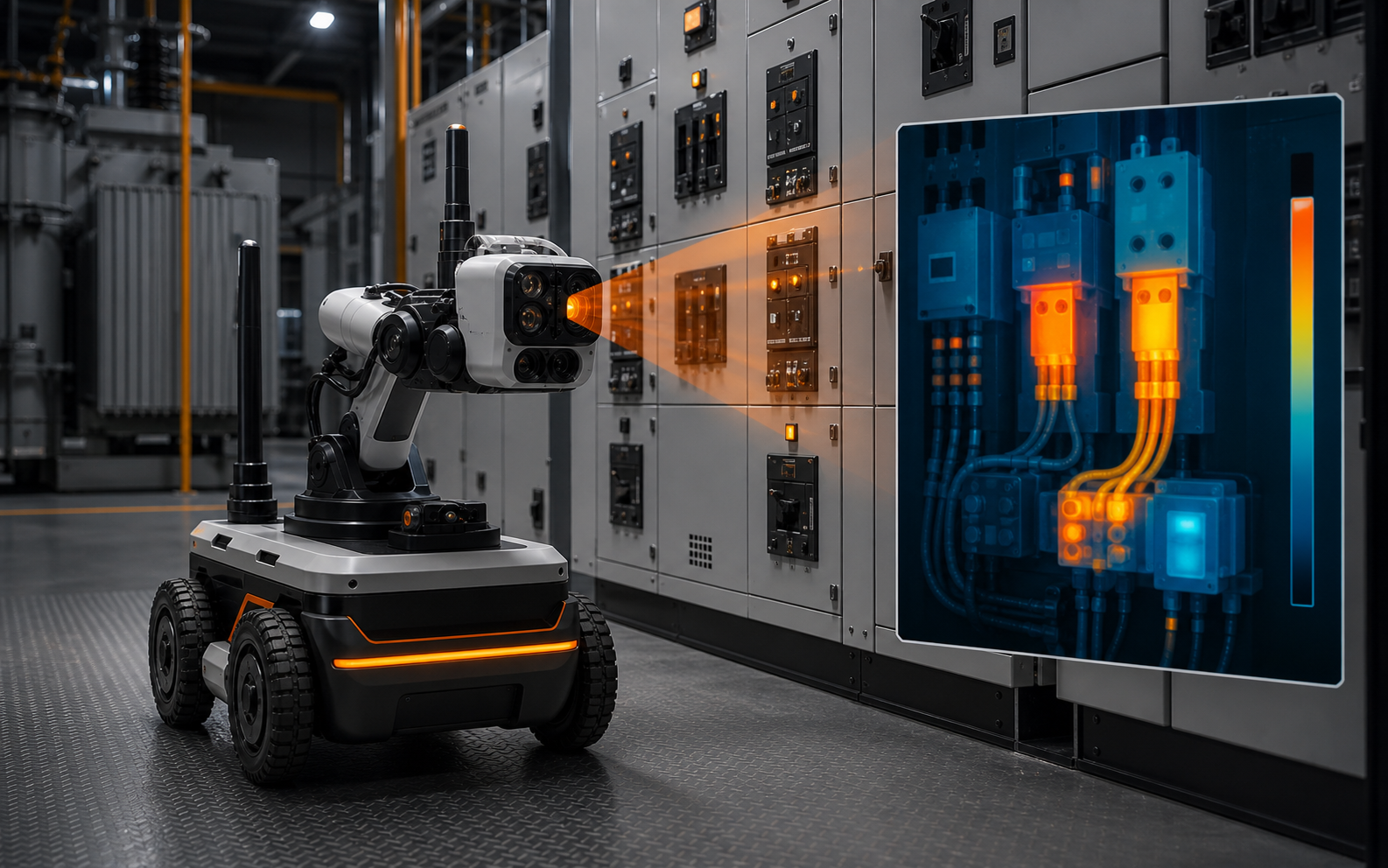
PDI robot performing thermal inspection on electrical assets
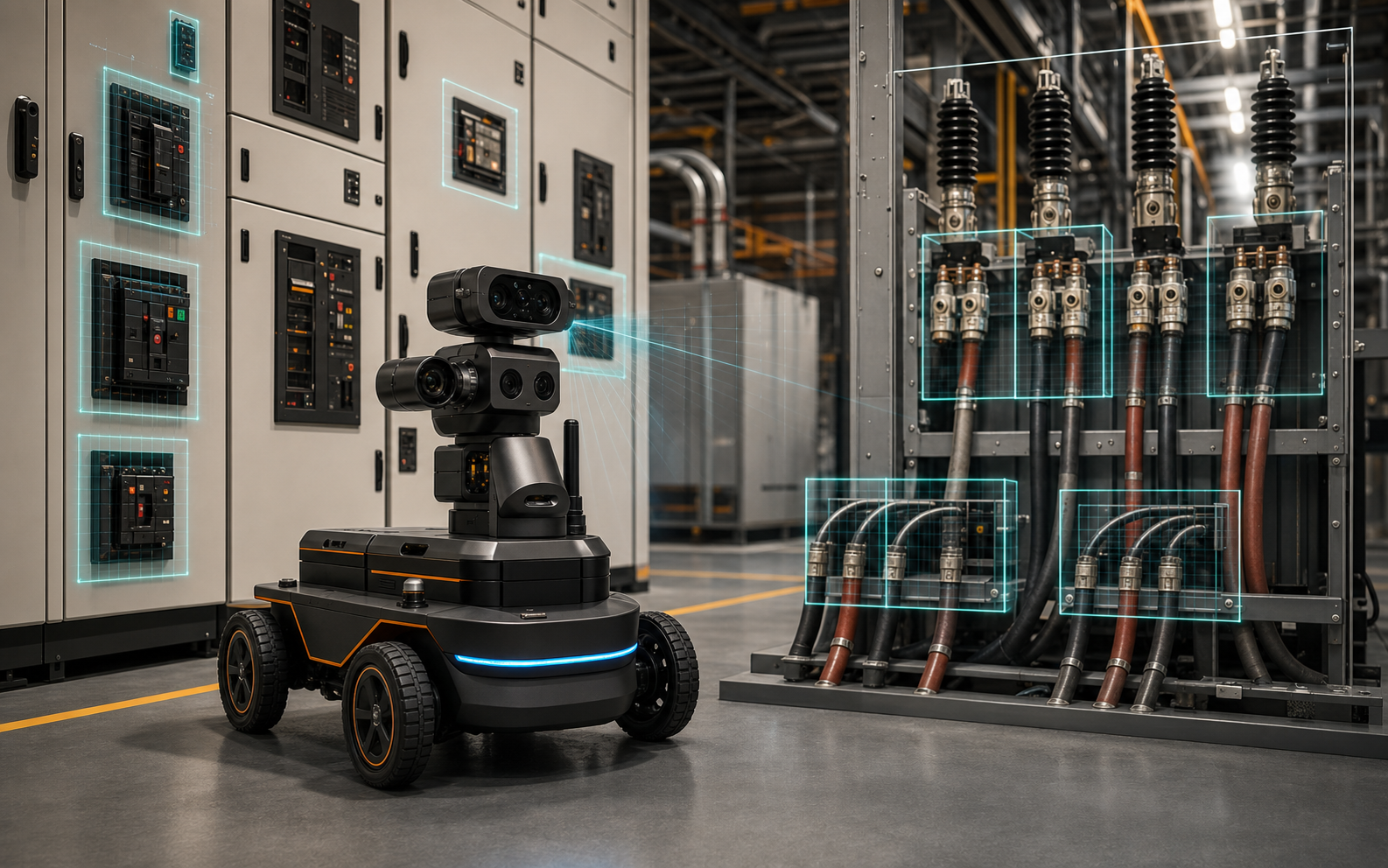
PDI AI vision recognizing electrical components
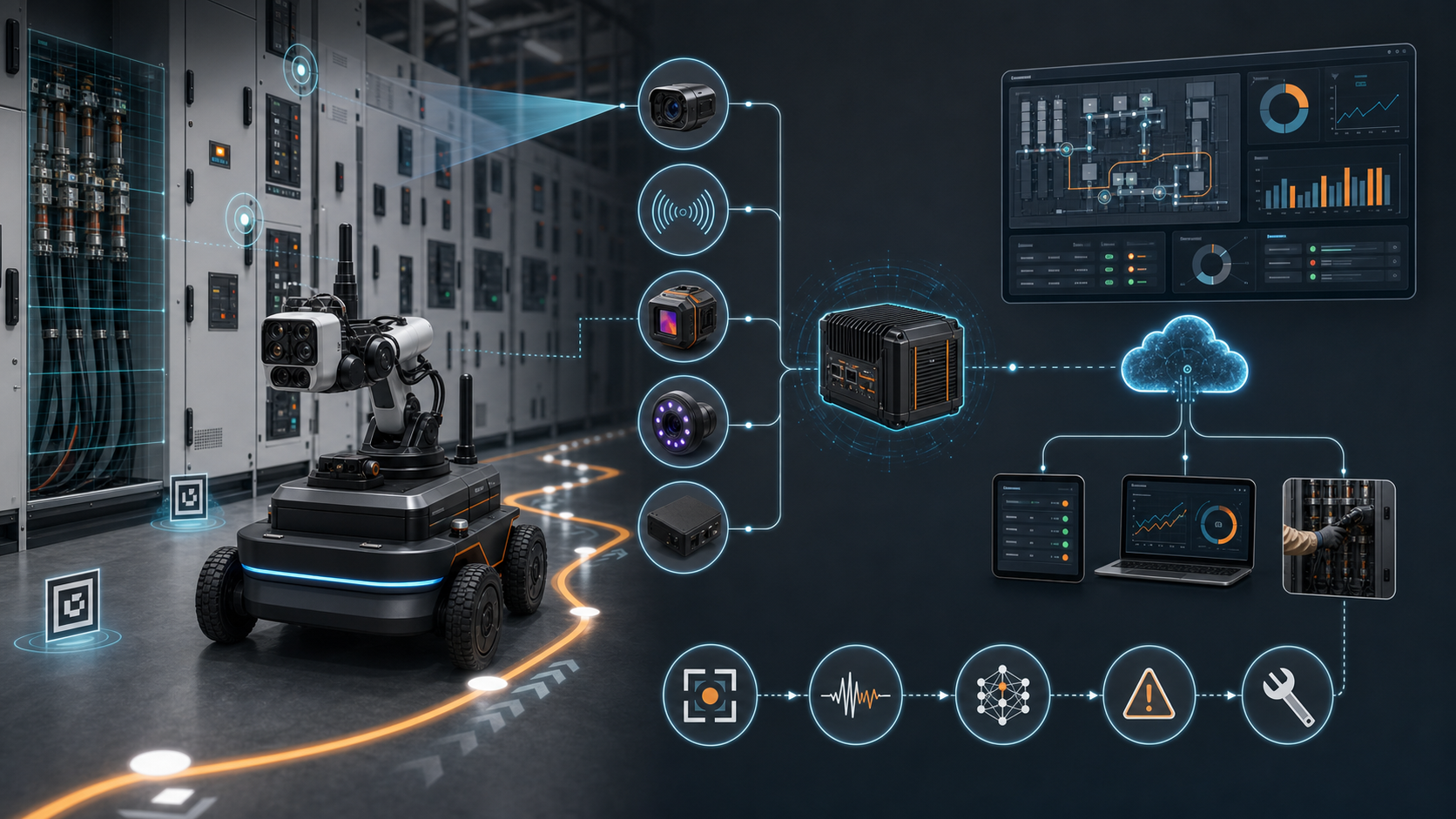
PDI end to end robotic inspection architecture
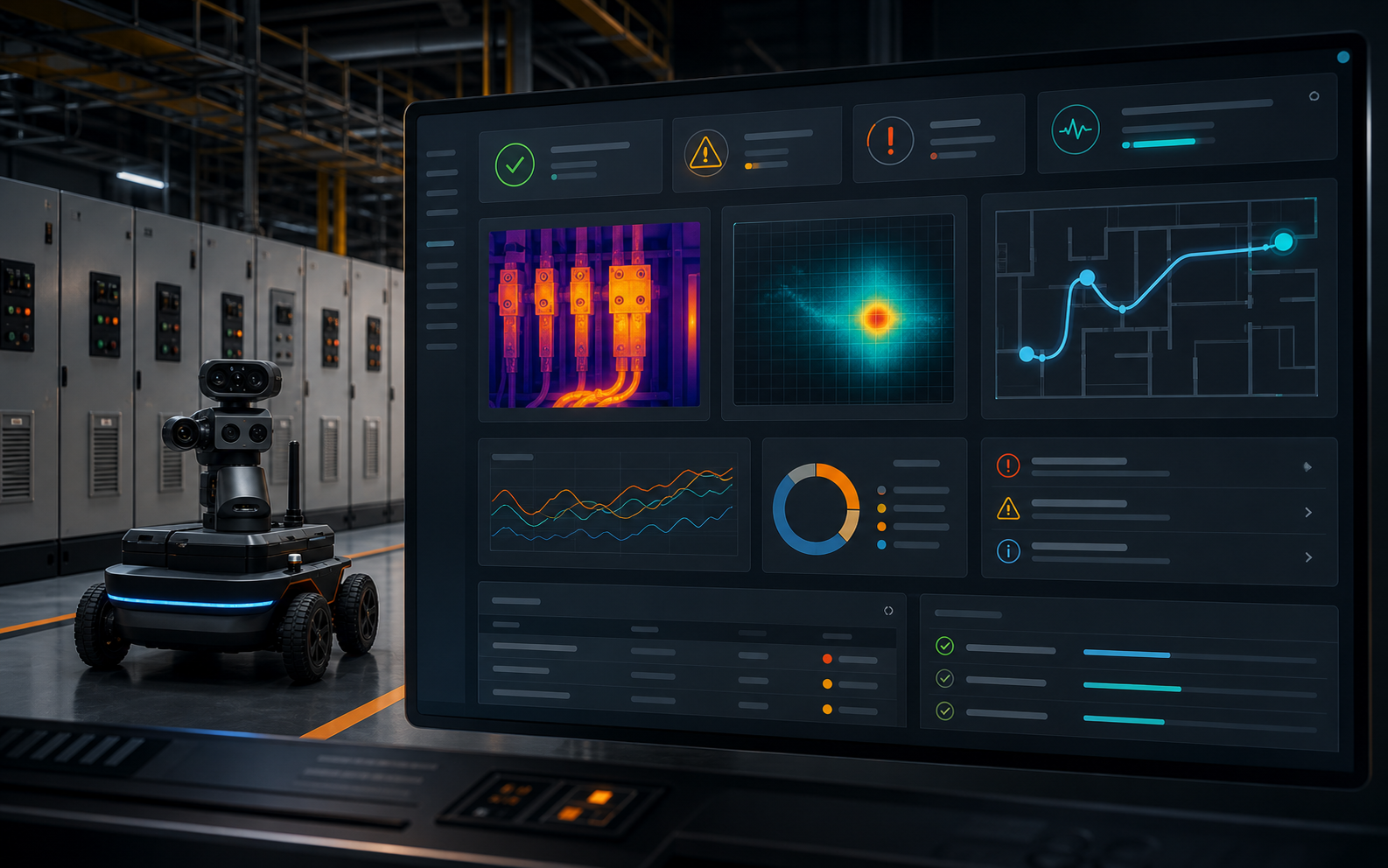
PDI automated reporting dashboard
PDI

Robotic Partial Discharge Inspection

Autonomous Electrical Asset Health Monitoring

Partial discharge is an early sign of insulation deterioration in medium-voltage and high-voltage assets. If it is not detected and addressed in time, PD activity can progress into flashover, cable failure, switchgear damage, transformer outage, fire risk, and unplanned plant downtime.

Inspection Assets
  • Switchgear panels
  • Transformers and GIS
  • Cable joints and MCCs
Inspection Method
  • Predefined facility routes
  • Scheduled inspection rounds
  • Stops at asset checkpoints
AI Vision
  • Identifies asset class
  • Confirms inspection target
  • Selects sensor profile
Risk Output
  • No PD detected
  • Low or medium severity
  • Severe PD escalation
Reporting
  • Asset-wise evidence
  • Severity and location
  • Recommended action
Value
  • Repeatable inspection
  • Reduced manual exposure
  • Earlier fault response
Autonomous Routes AI Asset Recognition Automated PD Reports
WHY

The Inspection Gap

Manual, periodic, expert-dependent inspections miss trend context

Current PD inspections are often manual, periodic, time-consuming, and heavily dependent on expert interpretation. Industrial operators need earlier fault detection, asset health assessment, predictive maintenance, reduced downtime, and automated reporting that can be compared across routes and inspection cycles.

Manual Risk
  • Near energized rooms
  • Access restrictions
  • Higher safety burden
Periodic Coverage
  • Inspection gaps remain
  • Faults may grow unseen
  • Trends are harder to compare
Expert Dependency
  • Specialist interpretation
  • Variable field conditions
  • Inconsistent documentation
Failure Impact
  • Flashover risk
  • Equipment damage
  • Forced outage exposure
Data Gaps
  • Limited asset history
  • Hard-to-repeat routes
  • Weak trend evidence
Maintenance Delay
  • Late fault escalation
  • Unplanned repair windows
  • Higher outage cost
Automation

Mobile Inspection Robot

Indoor autonomous navigation with future rail-based expansion

The PDI robot moves on approved routes through switchgear rooms, control rooms, substations, and electrical corridors. It stops at predefined inspection points, uses AI imaging to identify the asset, then triggers the correct sensor capture profile for that component.

Mobility
  • Indoor wheeled base
  • Differential drive
  • Stable sensor mast
Navigation
  • Approved route map
  • Obstacle avoidance
  • Checkpoint stopping
Localization
  • LiDAR or Visual SLAM
  • QR marker support
  • AprilTag positioning
Future Option
  • Rail-based movement
  • Long switchgear corridors
  • Utility substation routes
Output
  • Asset location
  • Inspection path
  • PD coordinates
Docking
  • Charging dock ready
  • Scheduled rounds
  • Return-to-base workflow
Sensors

Multi-Sensor PD Detection

Ultrasonic, acoustic, thermal, UV, and environmental context

A multi-sensor approach improves confidence by combining direct PD signatures with localization, visual context, and environmental conditions that affect discharge behavior and signal interpretation.

Ultrasonic Sensor
  • 20 kHz to 100 kHz
  • Corona detection
  • Surface discharge pickup
Acoustic Microphone Array
  • Sound source localization
  • Intensity mapping
  • Acoustic heatmaps
Thermal Camera
  • Hotspot capture
  • Thermal image evidence
  • Temperature profile support
UV Corona Camera
  • Advanced version option
  • Corona visualization
  • Precise optical evidence
Environmental Sensors
  • Temperature context
  • Humidity and dust
  • Ambient noise tracking
AI Vision Camera
  • Switchgear recognition
  • Cable and tray detection
  • Transformer and panel mapping
AI

AI Analytics Engine

Detection, classification, trend analysis, and risk scoring

The analytics engine detects PD events, classifies the likely defect mode, scores each asset, and compares the latest inspection against historical runs to expose deterioration trends before they become failures.

PD Event Detection
  • No PD baseline
  • Low or medium PD
  • Severe PD alert
Defect Type
  • Corona
  • Surface/internal discharge
  • Tracking or arcing
Asset Risk Score
  • Asset-wise ranking
  • Severity percentage
  • Priority sorting
Trend Analysis
  • Daily comparison
  • Weekly trend view
  • Monthly deterioration map
Prediction
  • Failure probability
  • Deterioration direction
  • Remaining useful life signal
Decision Output
  • Maintenance priority
  • Human review flag
  • Action recommendation
Reports

Automated PDI Reporting

Executive summary, asset detail pages, and dashboard views

Automated reporting is designed to become a key differentiator. Each inspection can generate executive summaries, asset detail pages, maintenance recommendations, dashboard alerts, and trend views for asset health management.

Executive Summary
  • Assets inspected
  • PD activity count
  • Critical asset count
Asset Detail
  • Asset ID and location
  • Thermal/acoustic evidence
  • Severity and recommendation
Recommendation
  • Low: monitor
  • Medium: schedule inspection
  • High: immediate maintenance
Live Dashboard
  • Robot location
  • Inspection status
  • Active PD alerts
Asset History
  • Inspection history
  • Maintenance records
  • Risk evolution
Trend Analytics
  • PD growth trend
  • Remaining useful life
  • Recurring defect patterns
"Autonomous PD detection plus asset localization, AI diagnosis, and automated reporting."

PDI - Repeatable electrical asset inspection for power plants and industrial facilities

READY TO MAP PARTIAL DISCHARGE RISK ACROSS YOUR ELECTRICAL ASSETS?

Request a PDI Demo